
Introduction
Parenting is a rewarding journey filled with unique challenges and triumphs. For parents of children with autism, these challenges may manifest in different ways, including difficulties in potty training. However, with patience, understanding, and a tailored approach, the potty training journey can become a positive and successful experience for both parents and children.
Understanding the Unique Needs
Children with autism often have unique sensory sensitivities and communication styles, which can impact the potty training process. It’s crucial for parents to understand and accommodate these individual needs to create a supportive environment.
Tips for Potty Training Children with Autism
Establish a Routine:
Children with autism thrive on routines. Create a consistent schedule for potty breaks, helping them anticipate and understand the process. Consistency fosters a sense of security, making it easier for them to adapt.
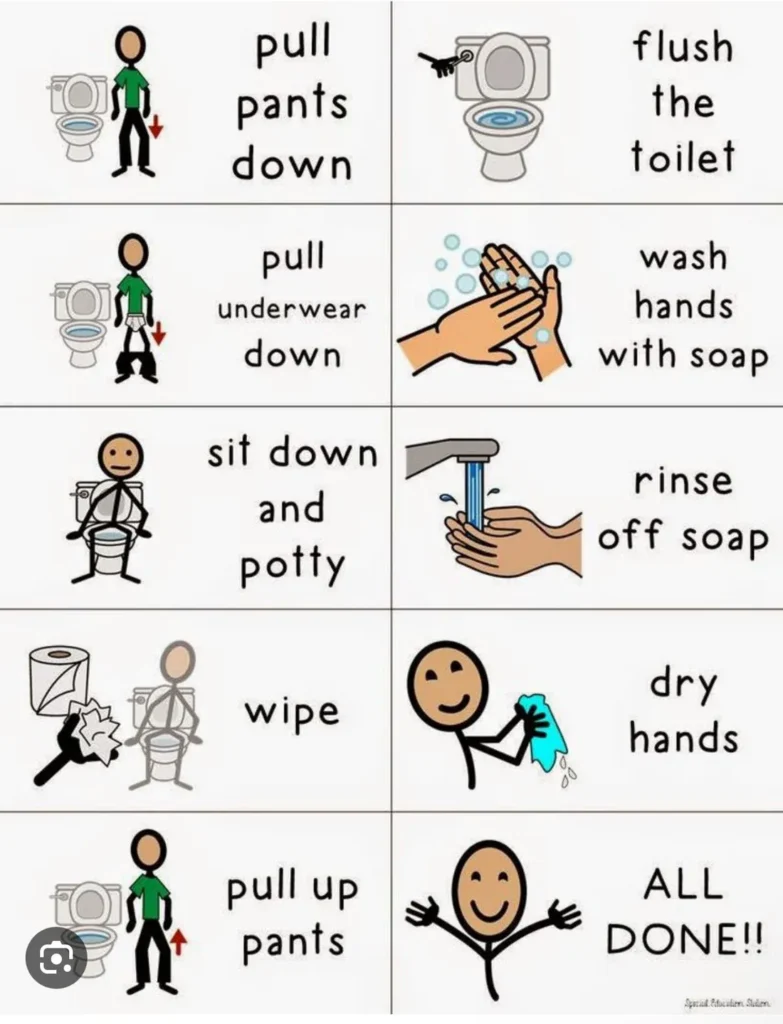
Visual Supports:
Visual aids, such as schedules, charts, or social stories, can be powerful tools in explaining and reinforcing the steps involved in using the toilet. Visual supports provide a clear and tangible guide, aiding in comprehension.
Sensory Considerations:
Take into account sensory sensitivities. Some children with autism may be sensitive to the feeling of certain fabrics or the noise of flushing. Be mindful of these factors when choosing toilet training tools and create a comfortable sensory environment.
Use Reinforcement:
Positive reinforcement is key. Identify and use your child’s preferred rewards, such as stickers, praise, or small treats, to celebrate successful potty attempts. Positive reinforcement creates a positive association with the process.
Communication Strategies:
Adapt communication to your child’s needs. Some children with autism may struggle with verbal communication, so it’s essential to find alternative ways to understand their cues and teach them to express their needs effectively.
Patience and Flexibility:
Potty training is a gradual process, and setbacks are normal. Practice patience and maintain a flexible attitude. Celebrate small victories and be prepared to adjust your approach based on your child’s progress and need.
Modeling Behavior:
Children often learn by imitation. Consider having an older sibling or using visual aids to demonstrate the process. Modeling can help demystify the experience and make it more approachable.
Conclusion
Potty training a child with autism requires a tailored and patient approach. By understanding your child’s unique needs, utilizing visual supports, incorporating positive reinforcement, and maintaining flexibility, you can create a supportive environment that fosters success. Remember, every small step toward independence is a significant achievement, and with your unwavering support, your child can navigate the potty training journey with confidence and success.


